How City-Stadium Deals Are Redefining Ownership
By Ben Musial
Across the professional sports world, city-stadium negotiations are rewriting the business model of franchise ownership.
Modern franchises are leveraging public-private partnerships to build mixed-use entertainment districts. They are operating like this instead of relying on simple public stadium bonds or isolated arena construction. This is altering local tax structures and multi-billion dollar team valuations.
The shift reached a major milestone in Kansas, where state and city leaders finalized an agreement resolving a legal dispute over the Kansas City Chief’s planned $3 billion domed stadium and entertainment district in Wyandotte Country. Local officials voted to drop their previous lawsuit in exchange for voting seats on the state sports authority board.
This structures the development around Sales Tax and Revenue (STAR) bonds that capture sales tax growth across a newly designated district. They operated under an agreement finalized by the Unified Government.
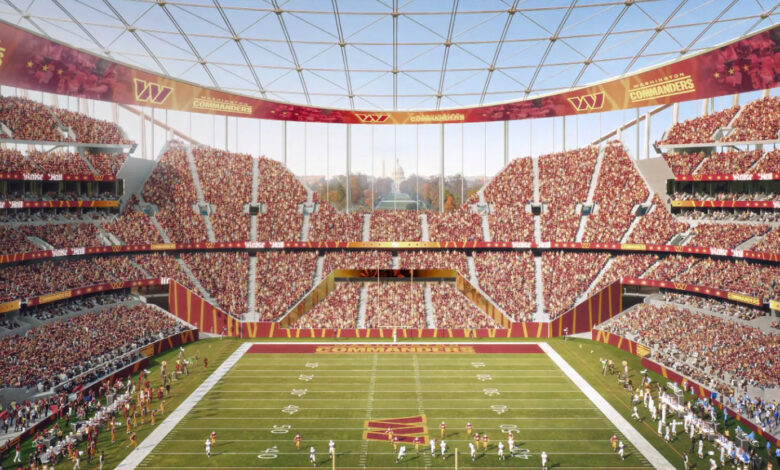
Similar public-private development plays are speeding up nationwide across both professional and collegiate athletics. In Washington, D.C., district officials approved a $524 million bond sale to fund infrastructure and site preparation for a new Washington Commanders stadium.
In San Diego, the city council approved a $4.2 billion Midway District makeover. This replaces the city’s aging sports arena with a multi-use arena and housing.
For modern sports owners, establishing team assets to entertainment districts represents a shift away from single-purpose venues. Sports franchises are transforming into diverse real estate holding companies.
This insulates their balance sheets against media market fluctuations and securing predictable, long-term capital streams. They are doing this by capturing year-round commercial rent, retail traffic, hotel taxes, and residential revenue.
As more cities weigh the economic trade-offs of public-private development, the franchises that are affected are no longer just a sports team. They are a centerpiece of a real estate empire.