
What to know about breast cancer, routine cancer screenings
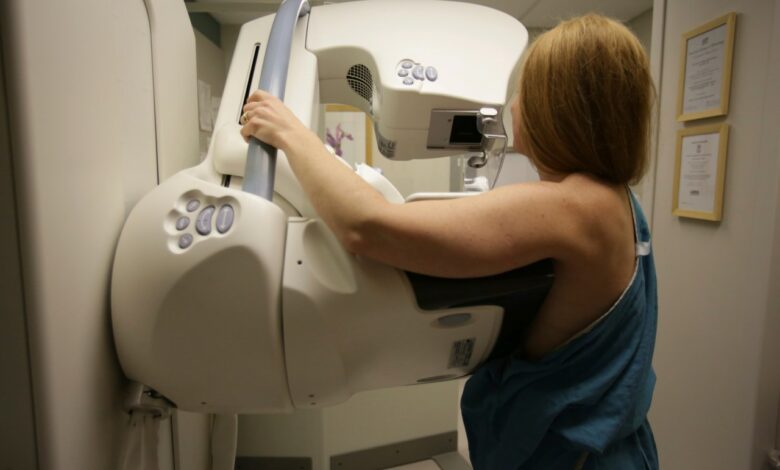
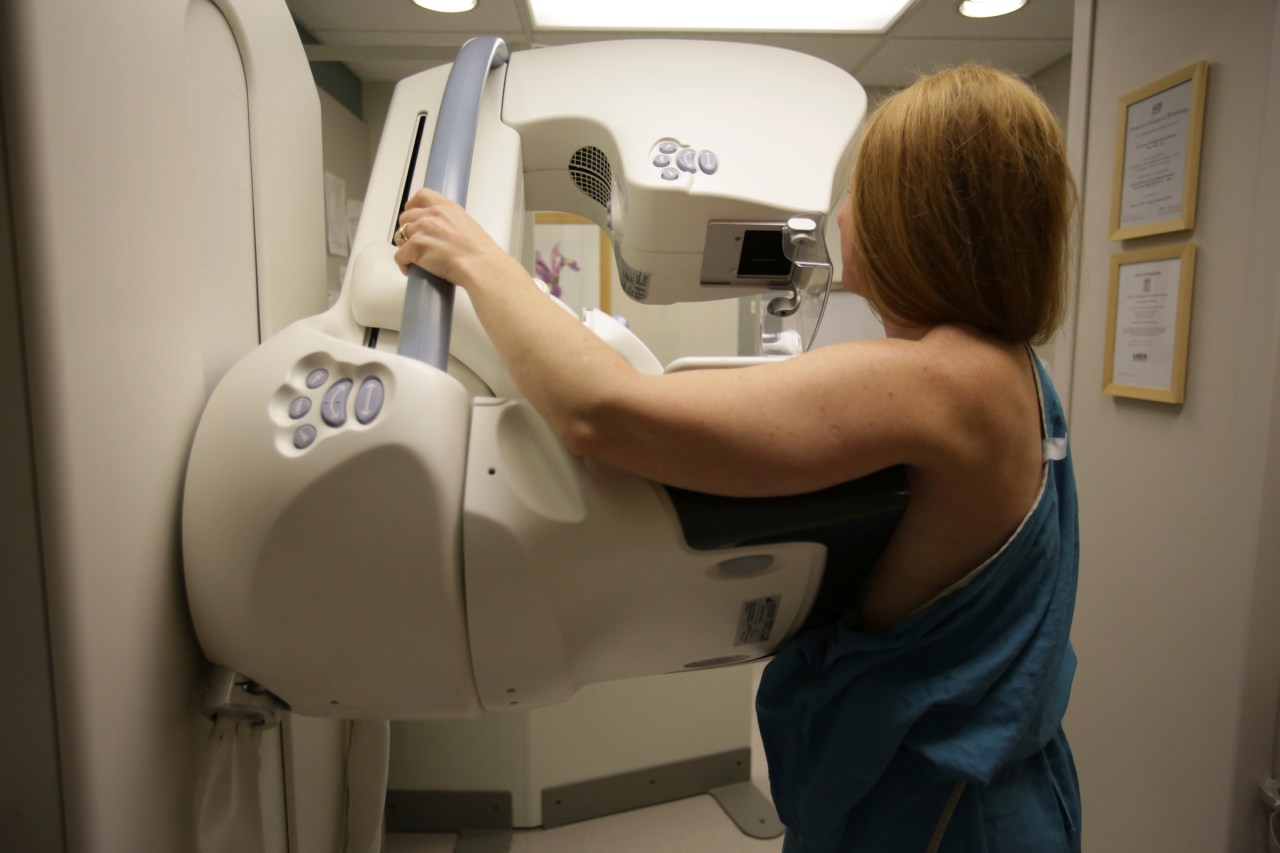
SYRACUSE, N.Y. (WSYR-TV) — The U.S. Preventive Services Task Force has lowered the age for breast cancer screenings, suggesting they begin at age 40, rather than age 50.
The major task force also suggests women begin screenings every other year until they hit 74.
“The latest science clearly shows that by screening every other year, beginning at age 40, that we can save even more lives. In fact, up to nearly 20% more lives can be saved from breast cancer,” said Dr. Wanda Nicholson, chair of the U.S. Preventive Services Task Force.
Previously, the group said women could choose to start their screening as young as 40, recommending exams every two years from ages 50 to 74. But changes are now being made with breast cancer diagnoses increasing about 2% each year, specifically in younger women ages 40 to 49.
“Those women tend to have more aggressive types of breast cancer. For the historical context, it’s important to remember back in 2009, this very same group, the U.S. Preventive Service Task Force changed the age and made it 50,” said Dr. Jennifer Ashton, ABC News Chief Medical Correspondent.
But depending on age, family history and other factors, breast cancer isn’t the only screening you should be keeping up with.
“The starting age for cancer screening varies depending on the screening type. So it’s really important for people to know the screenings they need at every age,” said Judy Hoyos, CEO of the Prevent Cancer Foundation.
In the second annual Early Detection Survey done last month by the Prevent Cancer Foundation, studies found nearly seven out of 10 people are behind in at least one routine screening.
“Seven out of every 10 of us is missing the opportunity to prevent a cancer, which would be the ideal or detect it early when we know there are better outcomes,” said Hoyos.
The Prevent Cancer Foundation says one of the top reasons why people are behind is because they simply don’t know they need to be screened.
Experts recommend those who are unsure to talk with their primary care doctor.
Click here to learn more.