
Record-low ice on Great Lakes, St. Lawrence River impacting the environment
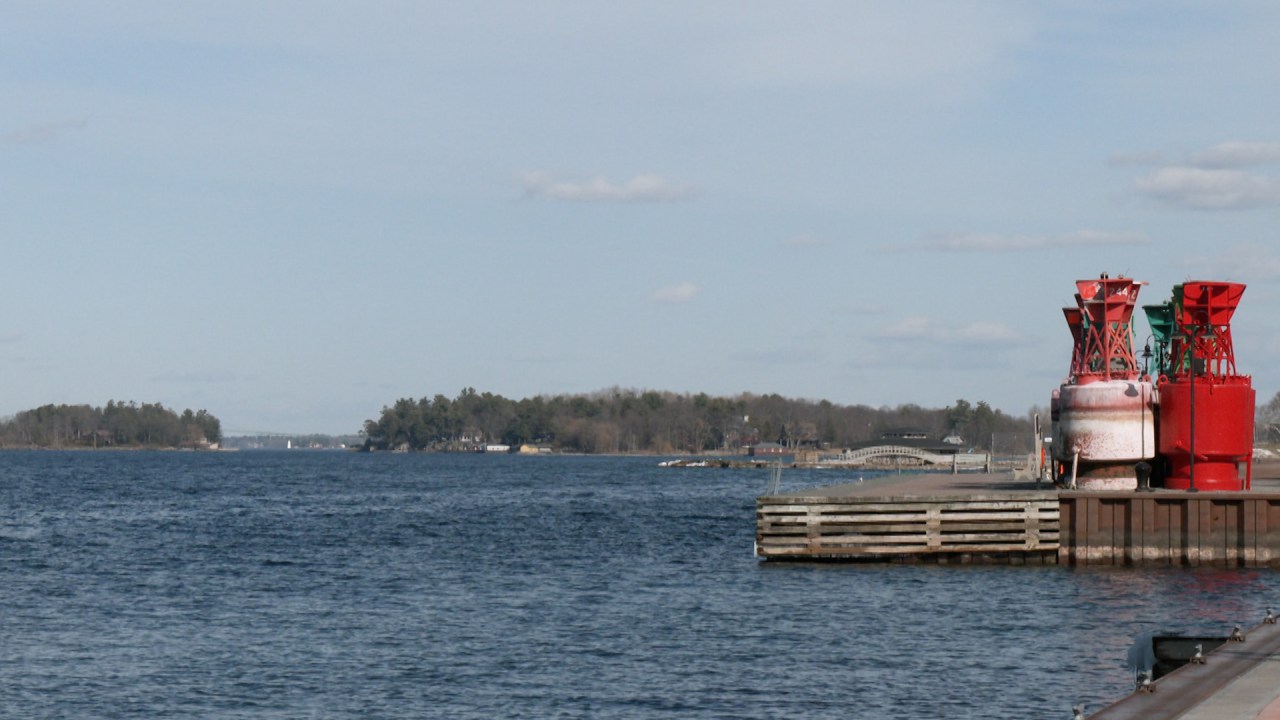
CLAYTON, N.Y. (WWTI) — Something was missing from the Great Lakes and St. Lawrence River in 2024.
Scientists at the National Oceanic and Atmospheric Administration have recorded near-record low ice coverage across the entire Great Lakes region.
“The Great Lakes have seen a dramatic lack of ice this year,” Jennifer Day, the director of communications at NOAA’s Great Lakes Environmental Research Laboratory said. “We have a very strong El Nino that happens this winter, and usually we expect to see lower amounts of ice with that. But it’s really exasperated a season that has seen much warmer temperatures than normal.”
As of late February, 6.5% of the Great Lakes had ice covering the water’s surface. Specifically on Lake Ontario, ice coverage had dropped to less than 1%.
According to NOAA, these rates were significantly below average but continued a downward trend of ice coverage on the water system.
“We’ve never seen this little ice for these days before,” Day confirmed. “Over the last 50 years, we’ve actually seen a decrease of on average 27 days less ice for the ice season.”
With ice coverage at an all-time low in the North Country, there will likely not be many more icy days.
The Thousand Islands Land Trust said the lack of ice cover has had major impacts on the local environment.
“The ice serves as a nice buffer between the air and the water body itself,” TILT Assistant Director Spencer Busler said. “It insulates the water and prevents drastic temperature changes throughout the season. So without that ice, you have more temperature fluctuation. Animals and other wildlife react to that differently and they change their behaviors based on the amount of ice cover that they have.”
Little ice coverage has also affected winter recreation, including ice fishing and snowmobiling. Most 2024 ice fishing derbies in the area have been canceled as a result.
These drastic changes have created concerns at organizations such as TILT.
“A lot of the traditions and heritage of the North country are growing shorter and shorter. The outdoor recreation opportunities aren’t there anymore,” Busler noted. “We’re seeing changes in migration patterns for some of the avian species that utilize the Saint Lawrence River Valley. We’re seeing different periods of migration growth in breeding seasons.”
“So we’re still learning what the total impacts of these changes in climate are,” he concluded.
Read more specifics on Lake Ontario ice coverage on the NOAA website.